
Sizing Your Light,Room by Room
A fixture is in scale, or it isn't — and a room tells you immediately. Below: the formulas designers run on autopilot, room rules, and the details that make a good install feel quiet.
A fixture two sizes off won't ruin a room — but it'll quietly nag. Too large, a generous space feels low and crowded; too small, the fixture reads as an afterthought.
The four shortcuts below are the same proportional checks designers run automatically — applied to chandeliers, pendants, flush mounts, sconces, table lamps, and the bedside lamps most people get slightly wrong.

The Four Sizing Formulas.
Almost every sizing question comes down to one of four shortcuts. Run in order: diameter, body height, hanging height, then spacing for multiples.
Fixture Diameter
The single rule that matters most. Take the room's length and width in feet, add the two numbers, and read the answer as inches — that's your ideal fixture diameter, applied to chandeliers, pendants, flush, and semi-flush.
Try it: a 12 × 14 ft room adds to 26 — so a 26-inch fixture sizes correctly.
Fixture Height
Body height is what makes a fixture feel proportionate to a room. Take your ceiling height in feet, multiply by 2.5 to 3 — that's the ideal vertical span in inches. Anything shorter starts to look stubby; anything taller begins to dominate.
A 10-ft ceiling calls for 25 to 30 inches tall.
Hanging Height Above a Surface
Pendants over a dining table or kitchen island live in a narrow zone — high enough to keep sightlines clear across the surface, low enough to deliver real task light onto it.
Measured from the lowest point of the fixture to the surface. Same window for dining tables and counters.
Multiple Pendants
Lining up two or three over a long surface? Size each to the surface, not the room. Space evenly with at least 6 inches at each end.
On a 72-inch table: ~18-inch pendants, evenly distributed.
Read the Ceiling First.
Before any formula, the ceiling height tells you what kind of fixture the room can carry — the type, the cord length, and whether a chandelier overhead will feel gracious or oppressive.
Stay close to the ceiling line. Flush and semi-flush mounts protect the headroom that already isn't there. Skip anything with a long drop — it visually compresses the room.
Forgiving range for most decorative fixtures. Keep the lowest point at or above 7 ft.
Treat the height as the room's gift. Oversized chandeliers, long-drop pendants, or sculptural clusters use the vertical space lower ceilings can't.
A reliable rule of thumb — every foot of ceiling supports 2.5 to 3 inches of fixture body. A 12-foot room comfortably carries a chandelier between 30 and 36 inches tall.
| Ceiling | Fixture Type | Min Floor Clearance | Notes |
|---|---|---|---|
| 8 ft — Low | Flush / Semi-flush | 7 ft | Short cord, skip heavy downlights |
| 9 to 10 ft — Standard | Pendant / Chandelier | 7 ft | The default range for most stocked fixtures |
| 10 to 12 ft | Larger chandeliers | 7.5 ft | Order extra cord; lean to taller silhouettes |
| 12 ft & Above | Oversized / Cluster | 8 ft | Clusters or oversized statement chandeliers |
| Vaulted / Sloped | Any (check canopy) | 7 ft min | Most Mooiehome pendants include sloped-ceiling canopies |
Where the Light Lives.
Each room runs on its own lighting logic. The tabs below cover sizing math, fixture choices, and install details by space.
In the Living Room
Living rooms reward layered light. One central fixture rarely does the whole job — it sets the tone, while floor lamps, table lamps, and the occasional sconce fill in the textures.
| Room Size | Recommended Diameter | Floor Clearance |
|---|---|---|
| Under 150 sq ft | 14 to 22″ | Min 7 ft |
| 150 to 250 sq ft | 22 to 28″ | Min 7 ft |
| 250 to 400 sq ft | 28 to 36″ | Min 7.5 ft |
| 400 sq ft / Open plan | 36 to 48″ or cluster | Min 8 ft |
Over the Dining Table
Of every fixture in the house, the dining chandelier is the one that matters most — it sits low, dead-centre, and at eye level for everyone seated at the table. It's the focal point of the room whether you wanted it to be or not.
| Table Size | Single Fixture | Two Fixtures (each) |
|---|---|---|
| 36″ round / 4-seat | 16 to 22″ | 10 to 14″ |
| 48 to 60″ / 6-seat | 22 to 28″ | 14 to 18″ |
| 72 to 84″ / 8-seat | 28 to 36″ or two | 18 to 24″ |
| 96″+ farmhouse table | 2 to 3 pendants | 20 to 28″ |
In the Kitchen
In the kitchen, function leads. Islands and peninsulas need focused, downward task light from pendants — and unless your overhead is genuinely strong, layer in recessed downlights and under-cabinet strips so no surface goes shadowed.
| Island Length | Pendants | Each Diameter | Hang Height |
|---|---|---|---|
| Under 48″ | 1 | 10 to 16″ | 28 to 34″ |
| 48 to 72″ | 2 | 10 to 14″ | 28 to 34″ |
| 72 to 96″ | 2 to 3 | 10 to 16″ | 28 to 36″ |
| 96″+ | 3 or 1 linear | 12 to 18″ or 48 to 72″ linear | 30 to 36″ |
In the Bedroom
Bedrooms ask for warmth and layers. The ceiling fixture handles ambient; bedside lamps or hung pendants cover reading and task light at intimate scale.
| Use Case | Fixture Diameter | Height / Placement |
|---|---|---|
| Central ceiling pendant | Room formula (L+W in inches) | Min 7 ft from floor |
| Bedside hanging pendant | 8 to 14″ | 48 to 60″ from floor |
| Above-bed decorative pendant | 16 to 24″ | 72 to 84″ from floor |
| Bedside table lamp | See bedside section below | Eye-level when seated |
In the Bathroom
Vanity lighting is a shadow problem. Anything mounted directly overhead carves shadows under the eyes and chin — which is why side-mounted sconces consistently flatter where overhead bars fall short.
| Fixture Type | Placement | Notes |
|---|---|---|
| Vanity Sconces | 65 to 70″ from floor, flanking mirror | Most flattering for face lighting |
| Overhead Vanity Bar | 24″ above mirror top | Use when sconce space is limited |
| Ceiling Flush Mount | Centred, room dimension formula | Ambient layer; combine with vanity |
| Shower / Wet Zone | IP-rated recessed lights only | Must meet local electrical code |
In the Entryway
The entry fixture is what visitors see first. Going slightly bolder than feels natural is almost always the right call — and in a double-height foyer, the vertical drop becomes the whole room's anchor.
| Ceiling Height | Fixture Diameter | Drop / Cord Length |
|---|---|---|
| 8 to 9 ft | 12 to 20″ | Short — 18 to 24″ |
| 10 to 12 ft | 18 to 28″ | Medium — 30 to 42″ |
| Double-height 14 to 20 ft | 24 to 40″ | Long — 48 to 96″+ |
In the Home Office
An office that runs on overhead light alone will start hurting your eyes by mid-afternoon. Two layers is the minimum — a diffuse ambient piece on the ceiling, and a dedicated lamp on the desk.
| Fixture Type | Use | Notes |
|---|---|---|
| Ceiling flush / semi-flush | Ambient layer | Diffuse shades reduce screen glare |
| Desk lamp | Task lighting | Place left of dominant hand to avoid shadows |
| Track / Recessed | Larger offices | Aim away from screens, toward walls |
| Floor lamp | Ambient fill | Torchière style bounces light off ceiling |
The Bedside Proportional Rule.
Bedside lamps work on ratios. Too tall, the bulb's at eye level; too short, the shade hides behind pillows. Below: five proportions designers check on autopilot.
| Lamp Part | Ideal Measurement |
|---|---|
| Lamp total height | Match the nightstand + 2 to 3 inches |
| Shade height | Roughly ½ to ⅔ of the lamp's total height |
| Shade width at widest | About twice the base width |
| Base height | Around ⅓ of the lamp's total height |
| Base width at widest | Around ½ the shade width |
Shop by Fixture Type.
With sizing locked in, head into the relevant collection. Each category is curated around a specific function, form, and room logic.
Statement pieces for dining rooms, foyers, and high-ceiling rooms.
Shop NowKitchen islands, bedside drops, studio centrepieces.
Shop NowPlug-in, hardwired, swing-arm, and decorative sconces.
Shop NowLow-profile mounts for tight ceilings and ambient layers.
Shop NowConsole, bedside, and desk lamps for closer light.
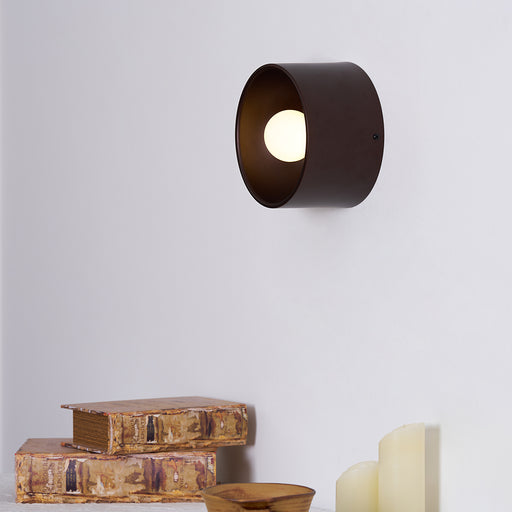
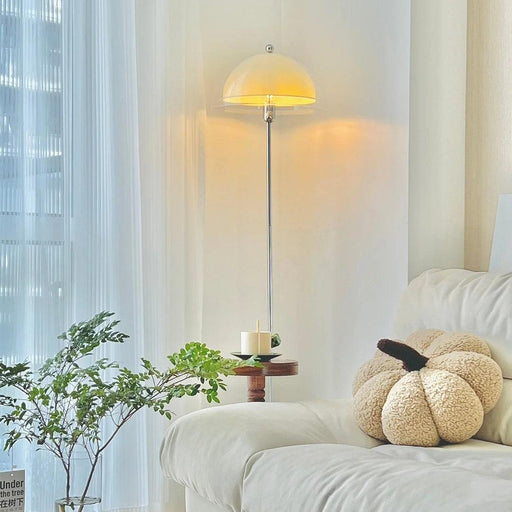
Shop NowReading corners, sofa-side accents, ambient fill.
Shop NowEditors' Picks.
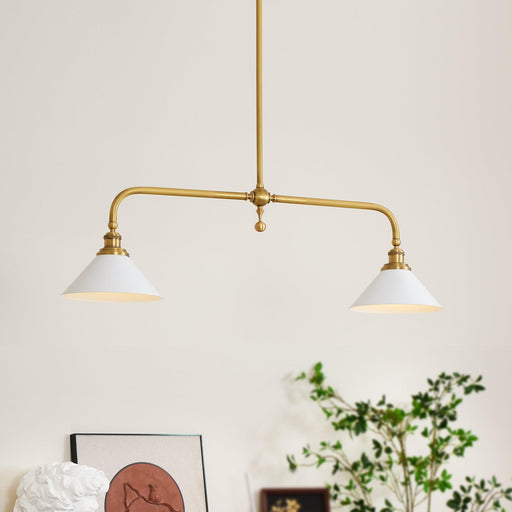
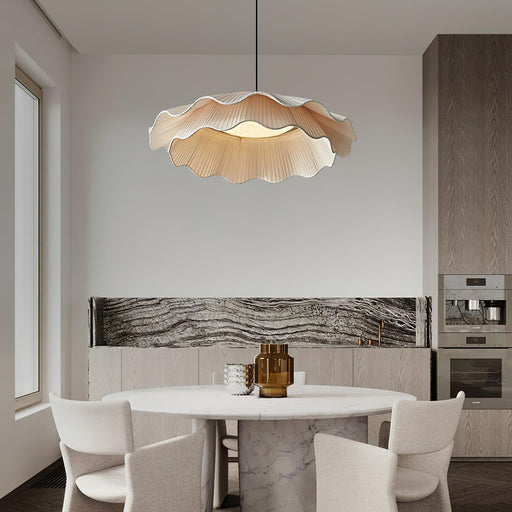
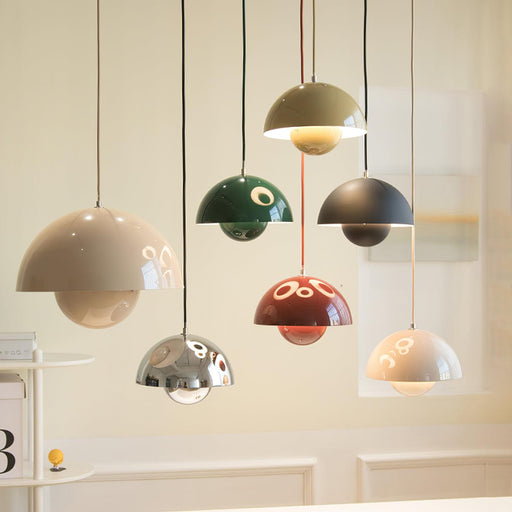
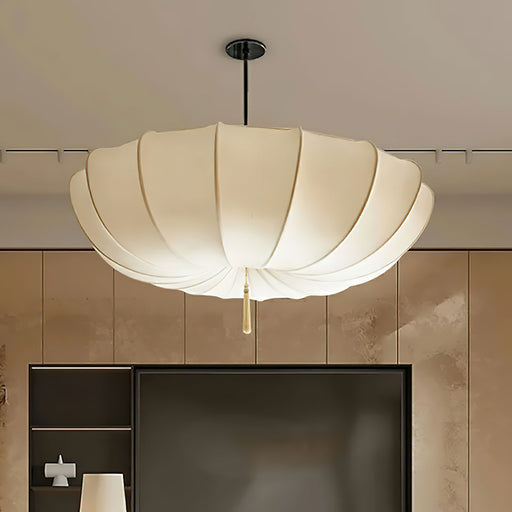
Six fixtures that earn their keep across rooms and styles — chosen for build quality, scale, and design that gets remarked on.
What's Selling Now
Free US shipping · 30-day returns
Common Questions.
Questions our team gets every week. Don't see yours? Send a note.
How large should the chandelier be for a 12 by 14 ft dining room?
What's the right hanging height for an island pendant?
Does an 8-foot ceiling rule out a chandelier?
Will Mooiehome pendants work on a sloped ceiling?
Now find the one.
Browse the full Mooiehome catalogue. Free US shipping on qualifying orders.
Stuck on a Fixture Decision?
Awkward room, unusual ceiling, torn between two pieces? Send the dimensions — we'll recommend a fixture that lands.
New York, NY 10001, USA