Zu Inhalt springen
Kostenloser Versand* für alle Leuchten
MooieHome — Header & Mega Menu
Account
Sign in / Register Orders & tracking
Ship to

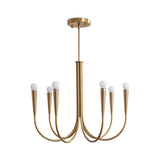
Swoop Arm Kronleuchter

Verfügbarkeit:
5+ auf Lager, bereit zum Versand
Verfügbarkeit:
5+ auf Lager, bereit zum Versand
Verfügbarkeit:
5+ auf Lager, bereit zum Versand
Verfügbarkeit:
5+ auf Lager, bereit zum Versand
Verfügbarkeit:
5+ auf Lager, bereit zum Versand
Verfügbarkeit:
5+ auf Lager, bereit zum Versand
SKU MHC-084209-01
Ursprünglicher Preis €186,95 - Ursprünglicher Preis €436,95
Ursprünglicher Preis
€186,95
€186,95 - €436,95
Aktueller Preis €186,95
Produktvideo

Übersicht

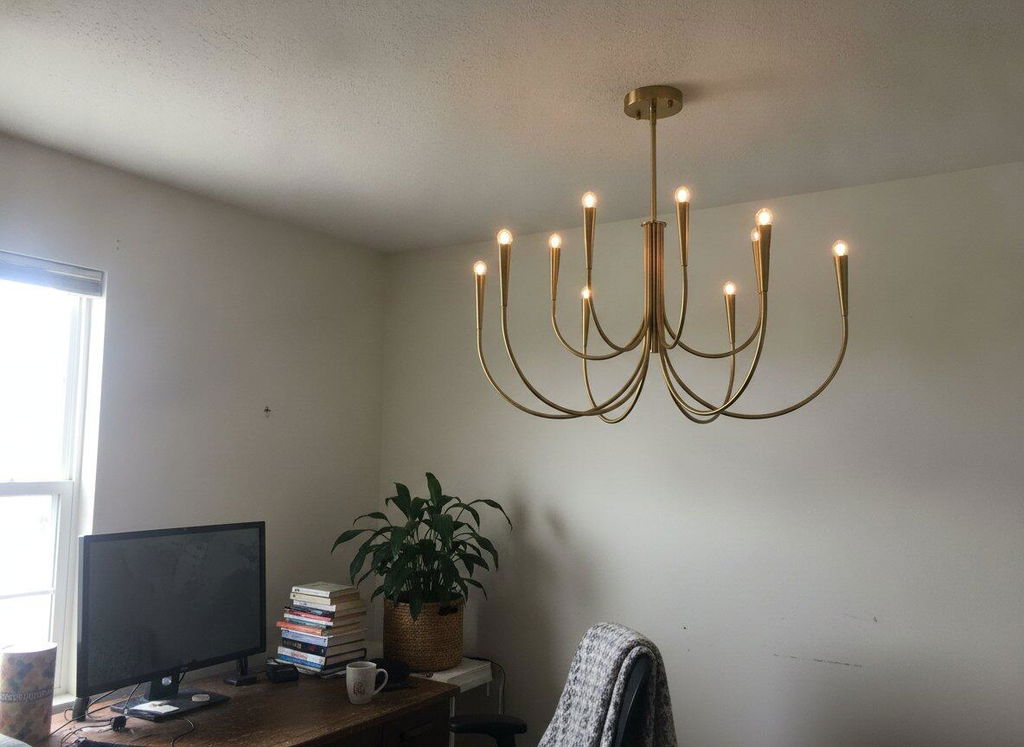
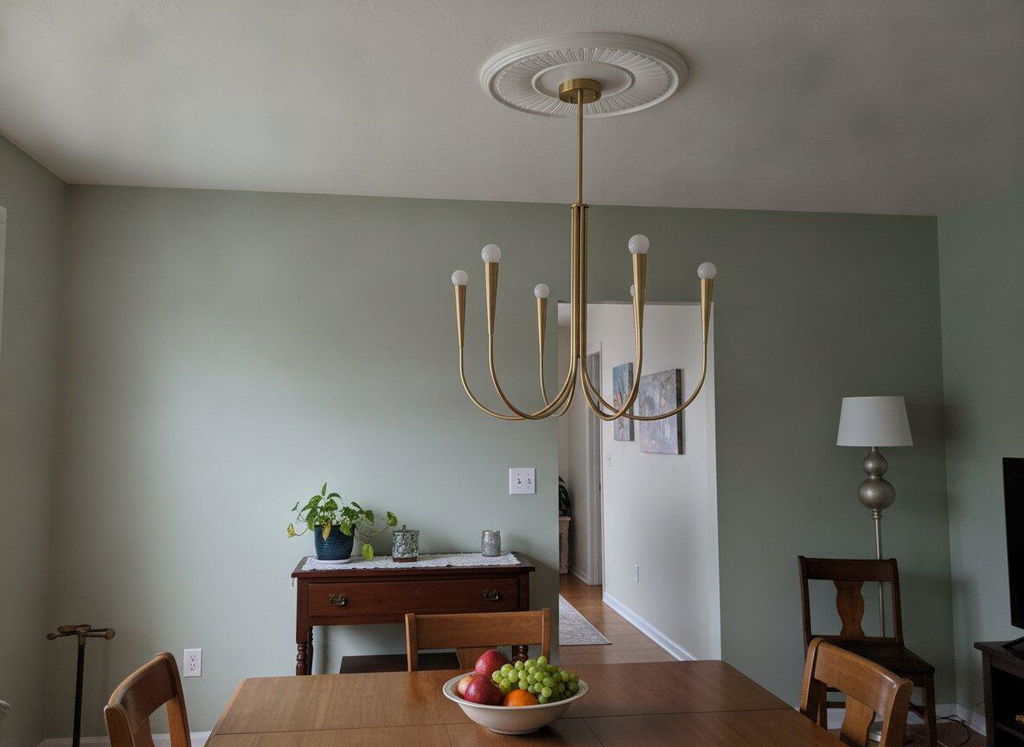
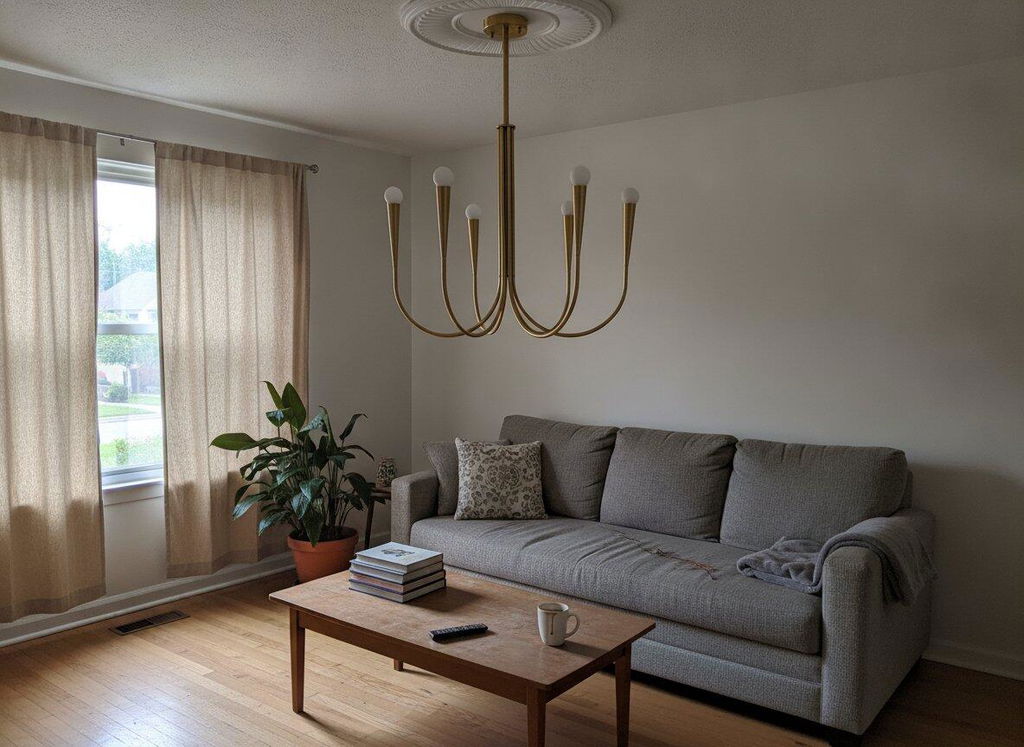
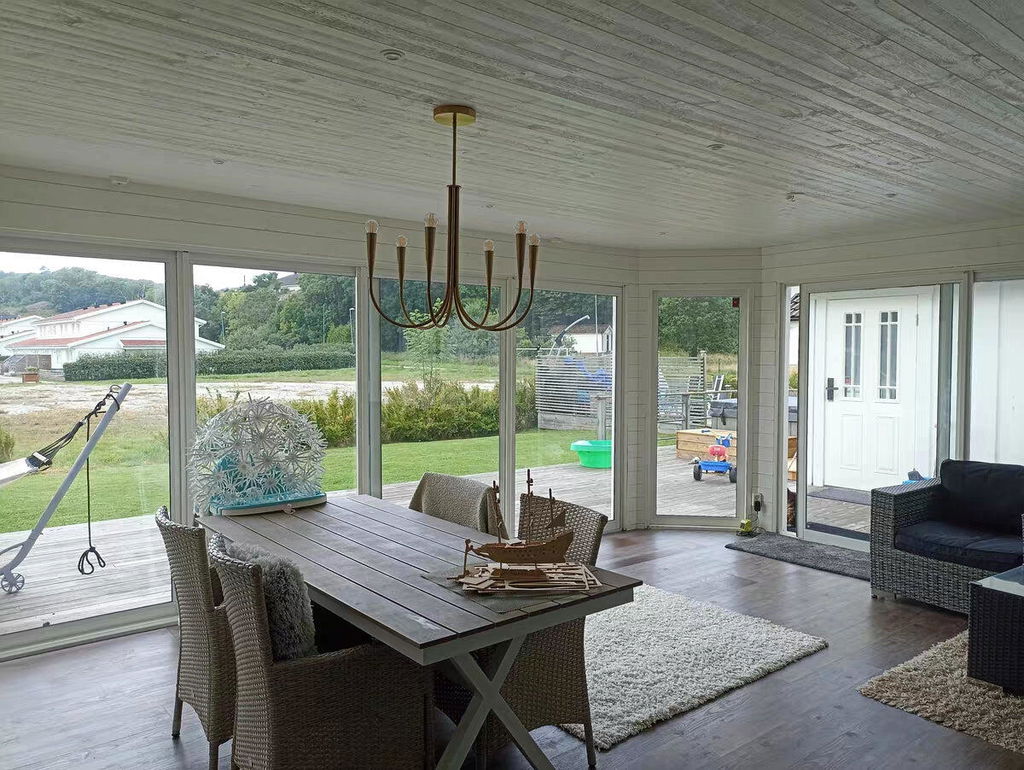
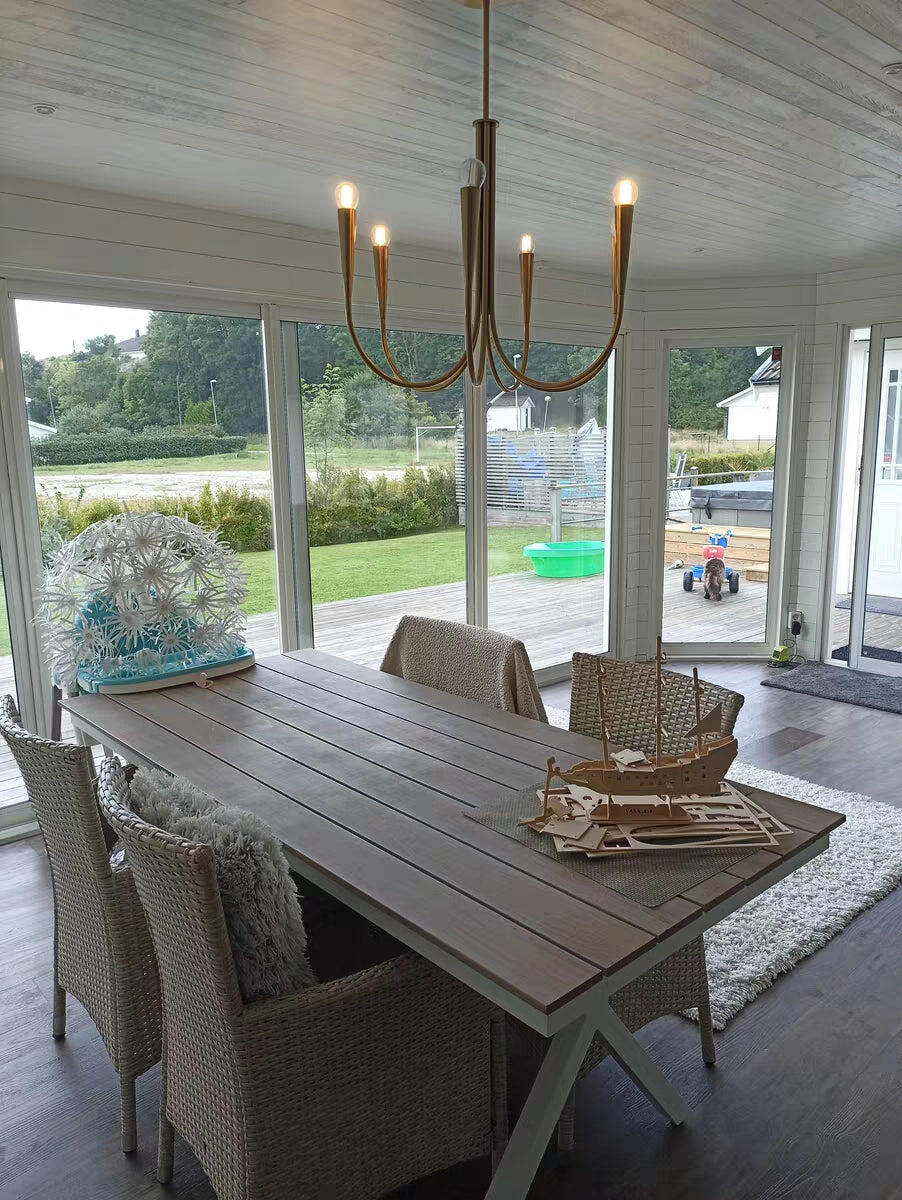
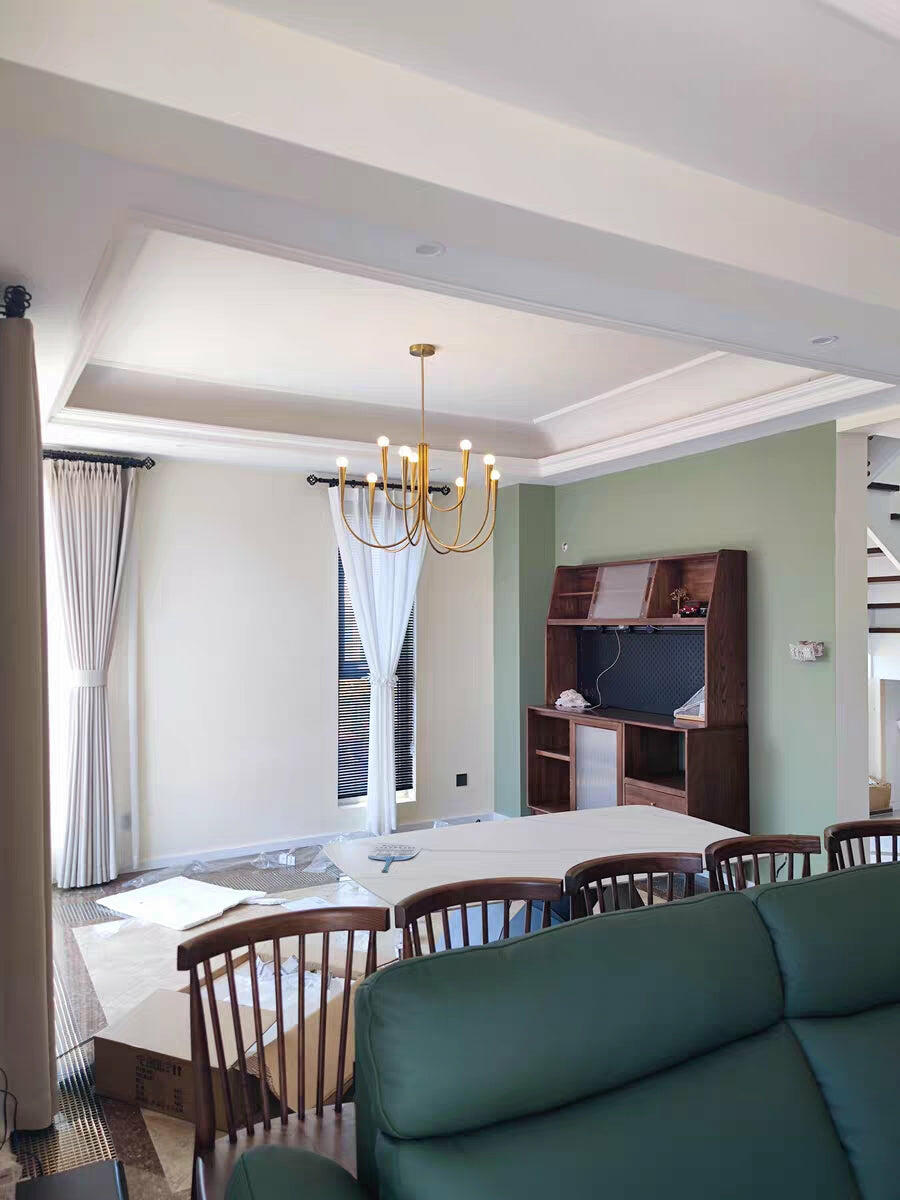
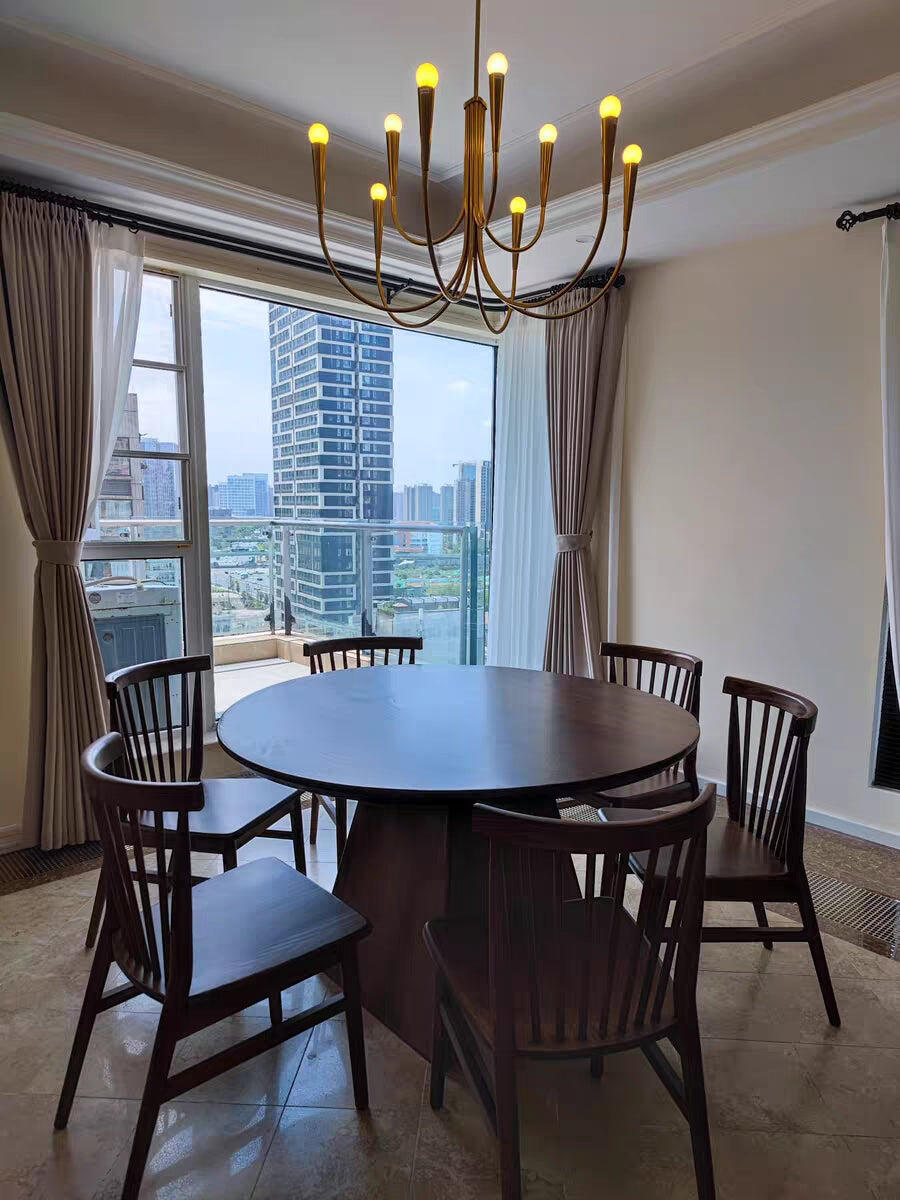
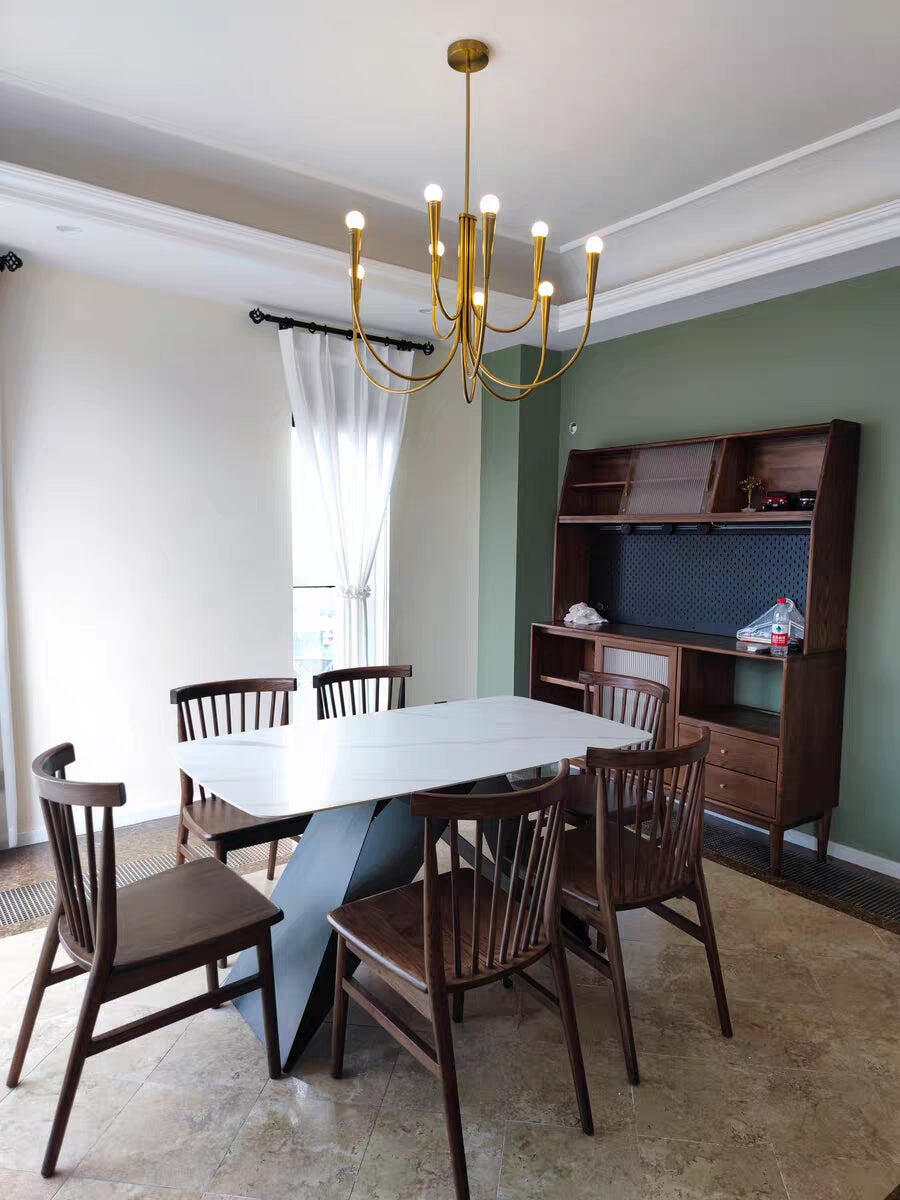
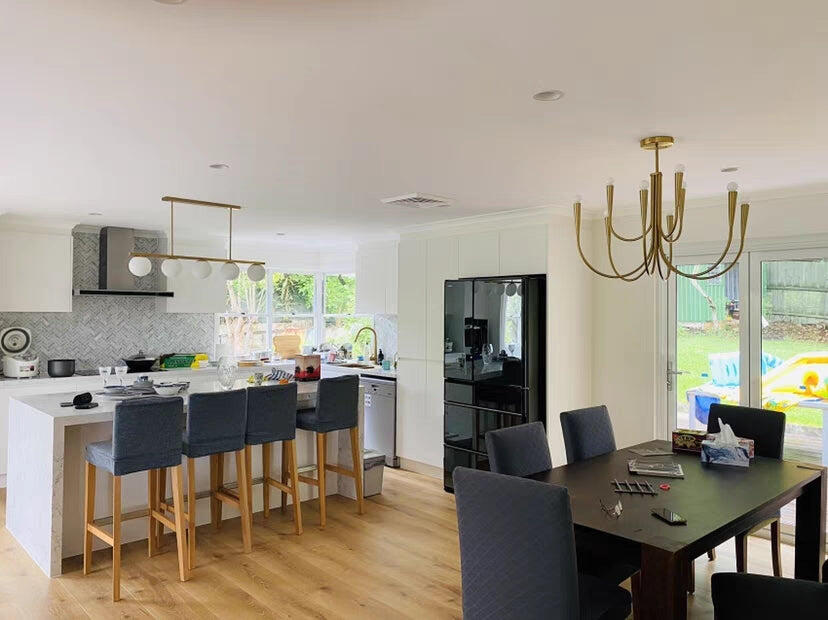
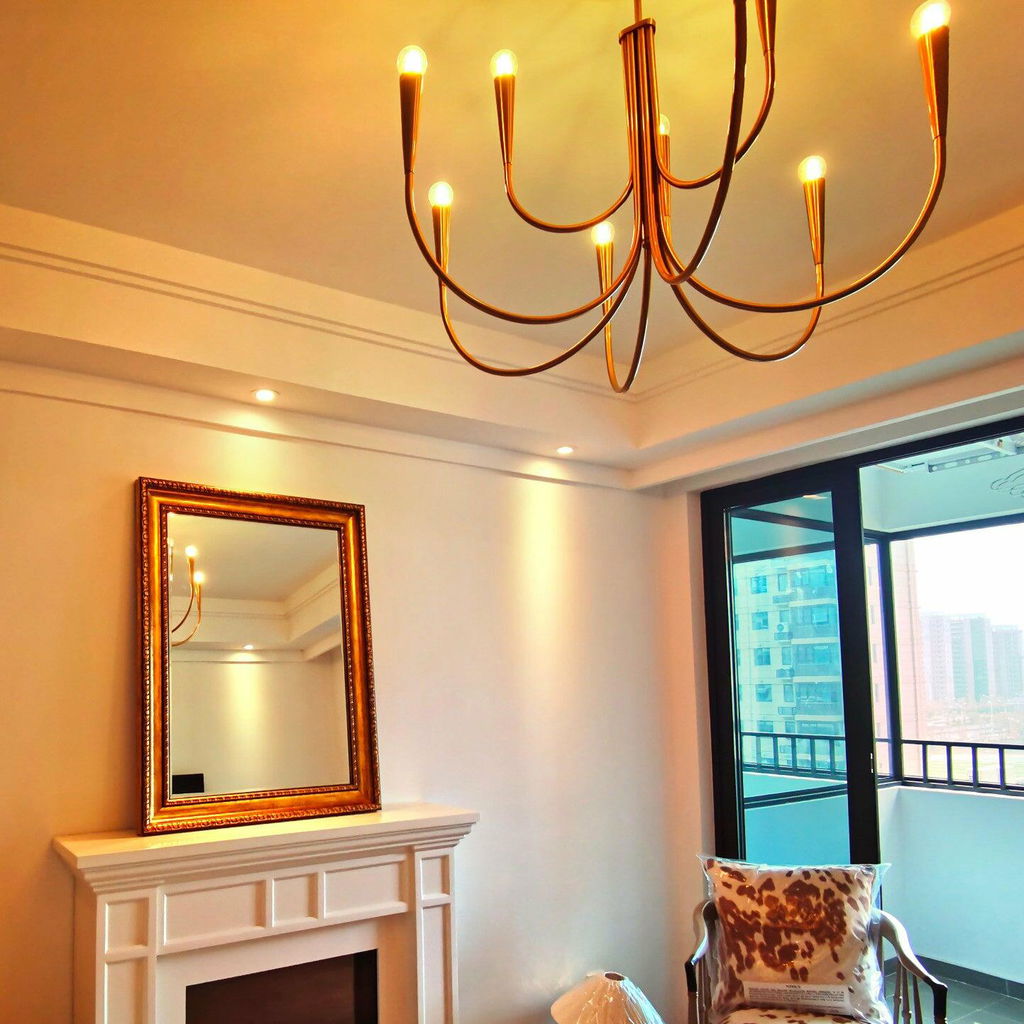
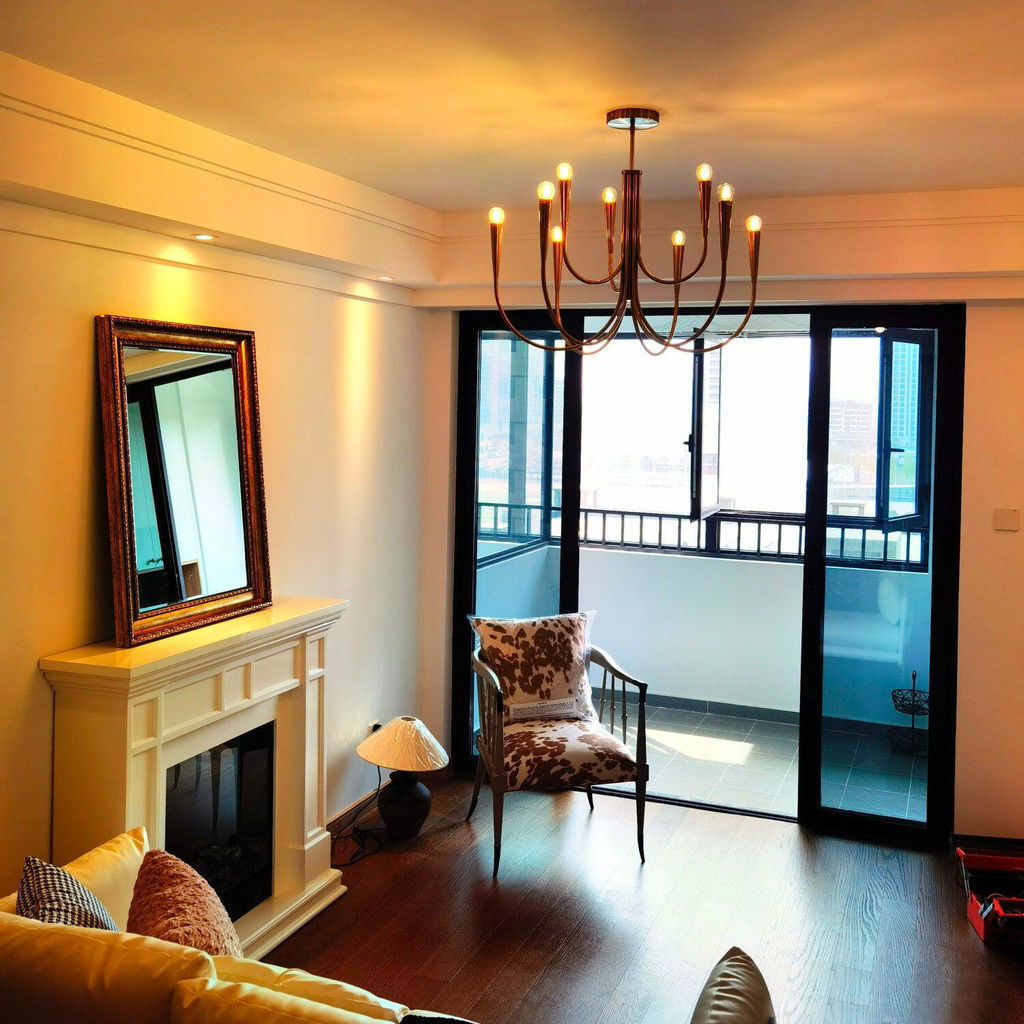
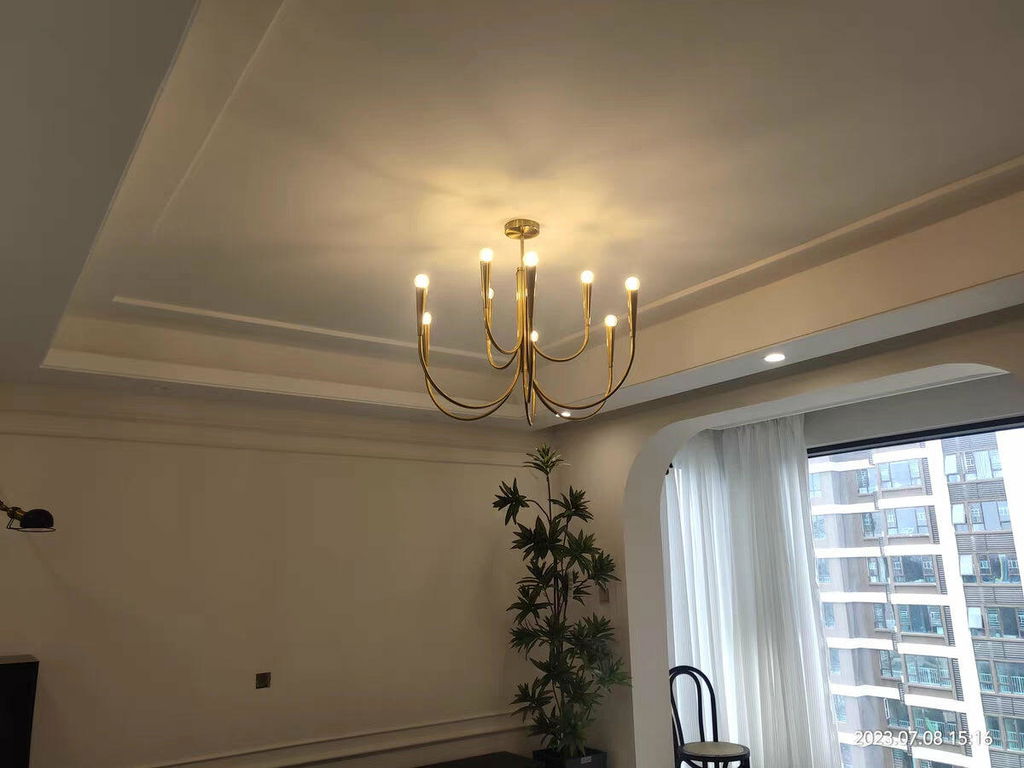
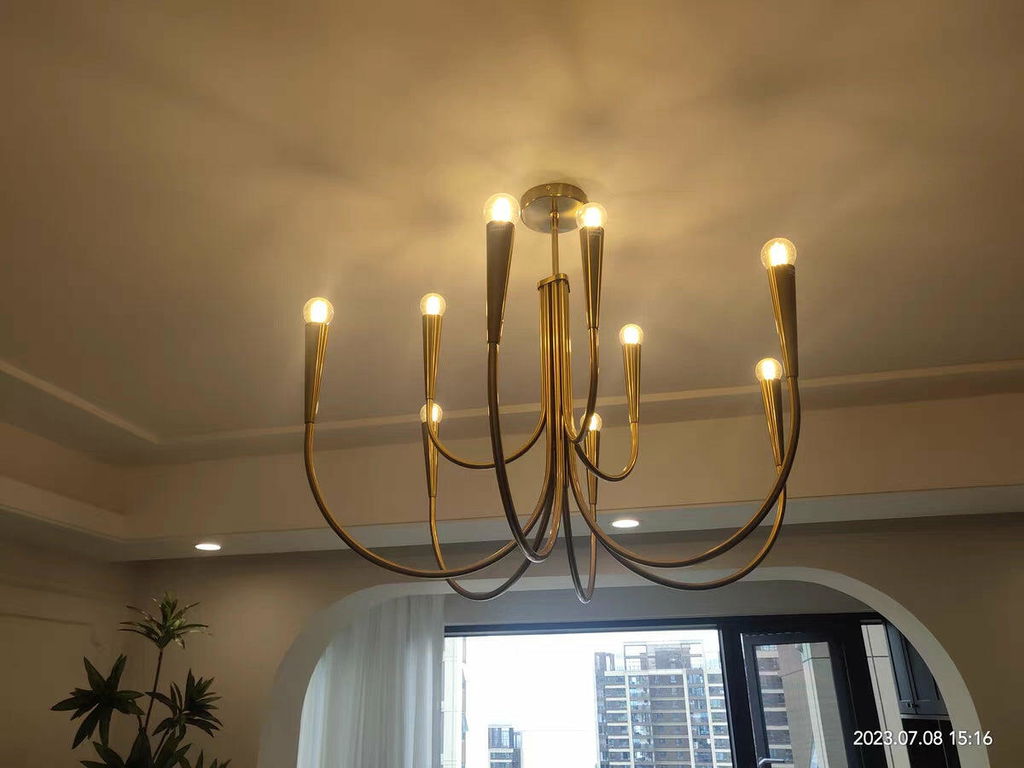
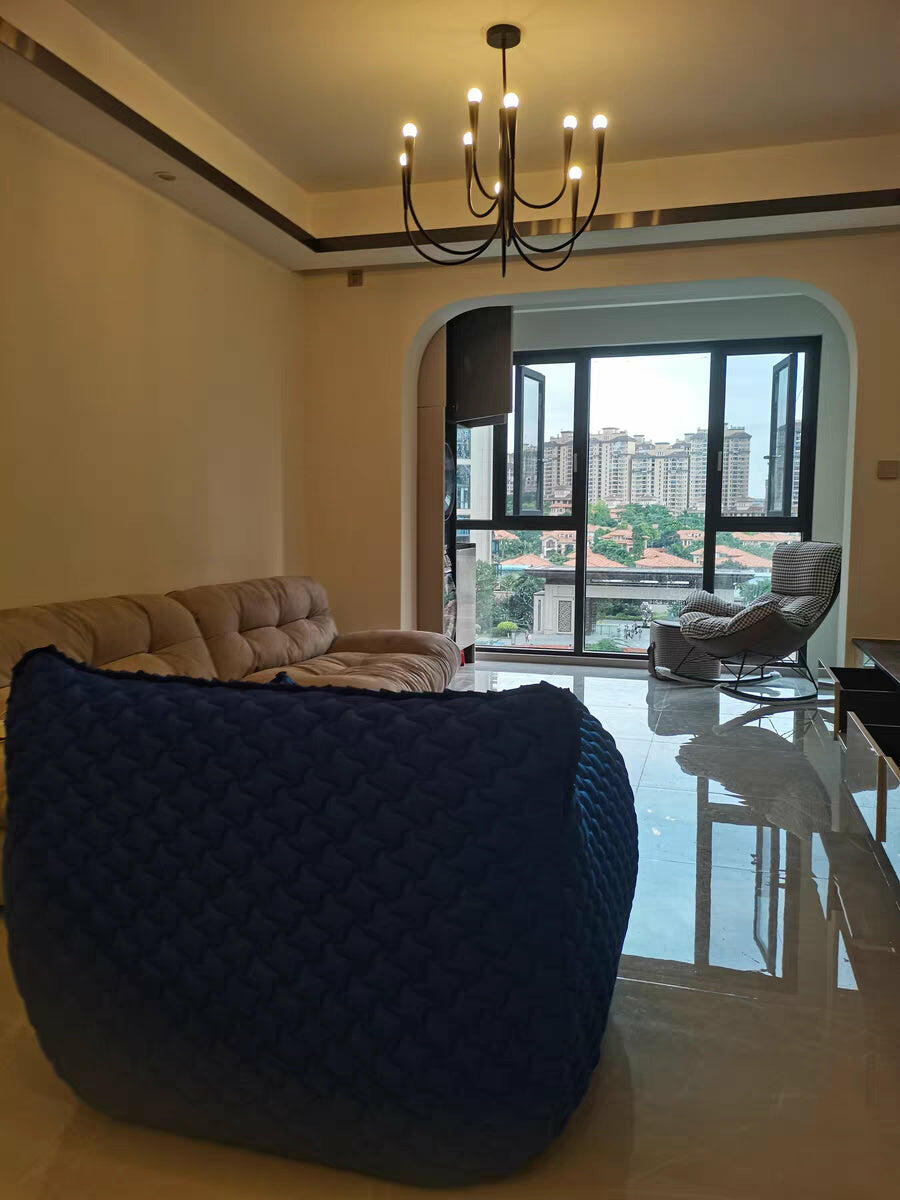
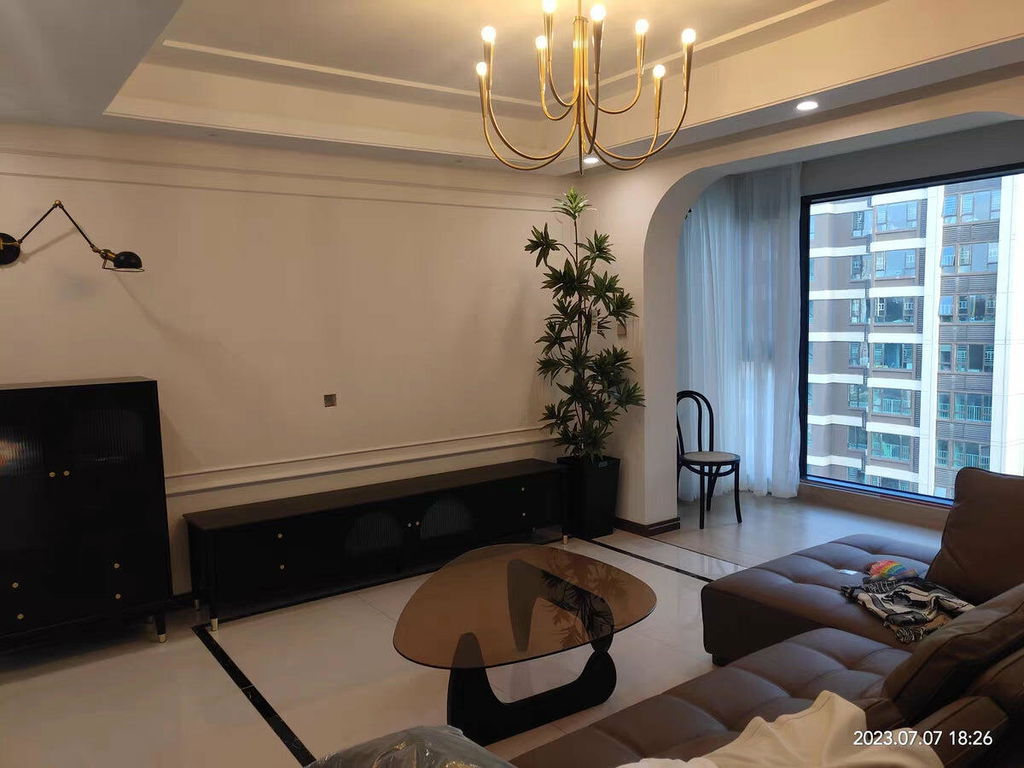
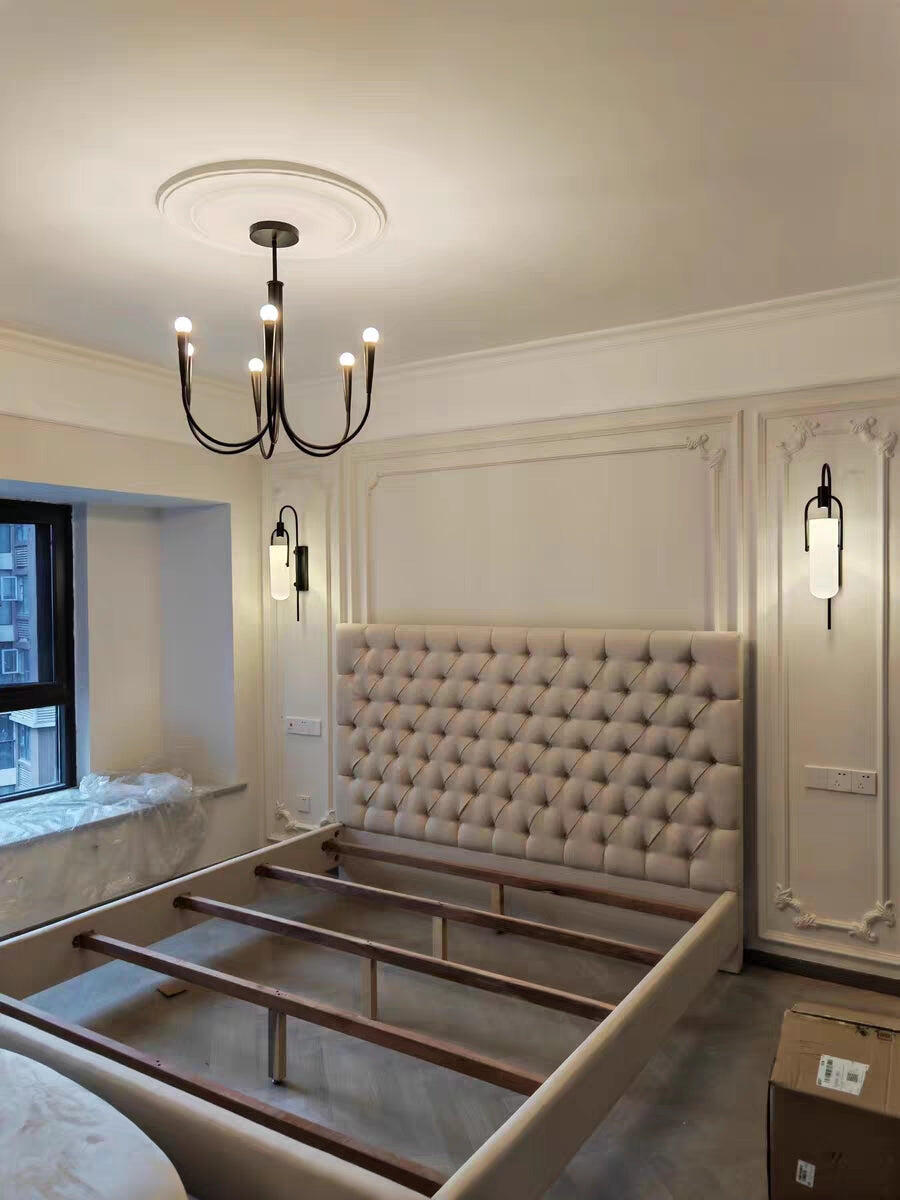
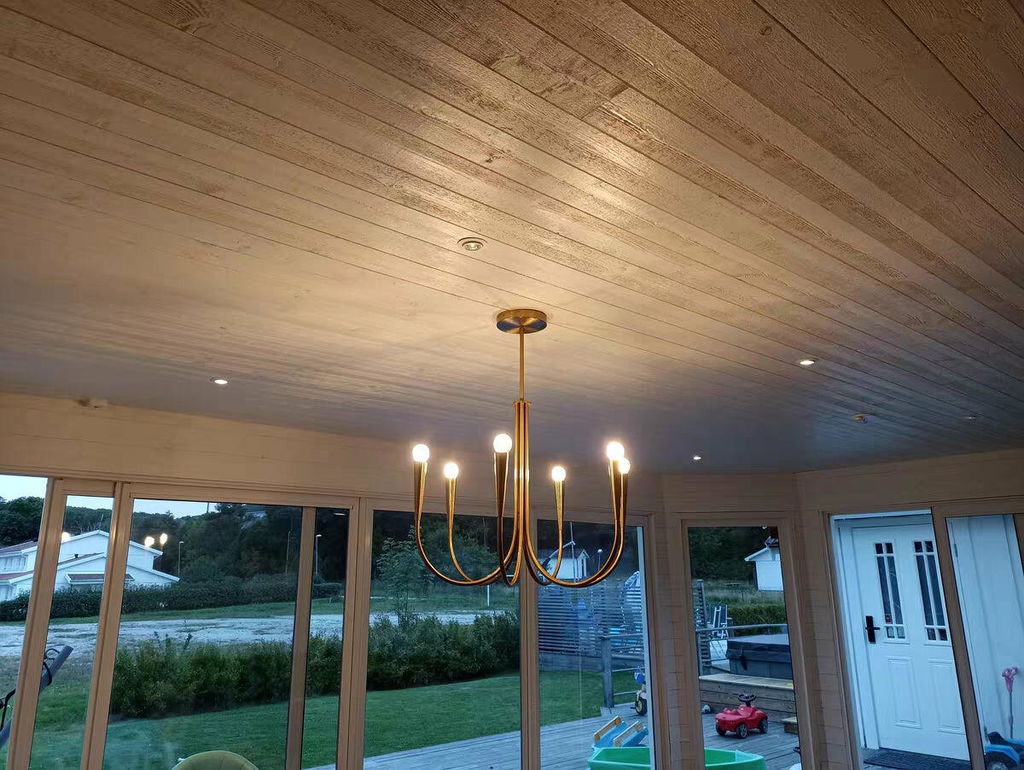
Machen Sie eine Aussage mit dem Swoop Arm Kronleuchter – elegante, skulpturale Metallkurven, die einen modernen Sinn in eine klassische Kronleuchter-Silhouette bringen. Hängen Sie ihn über dem Esstisch für ein atemberaubendes Centerpiece auf, oder platzieren Sie ihn im Wohnzimmer für einen Hauch von architektonischer Eleganz.

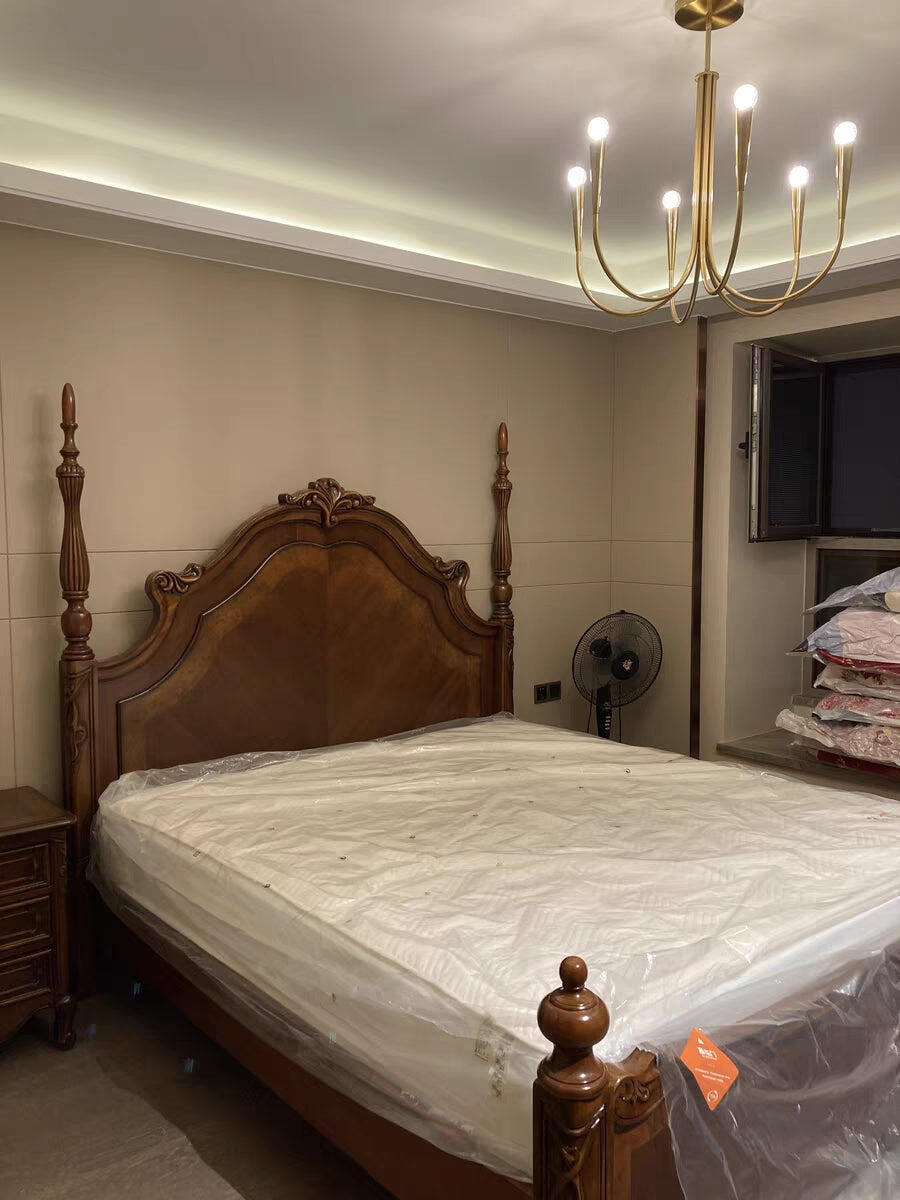
Erhältlich in drei Größen – 6, 9 oder 12 Leuchten – und zwei Oberflächen – Warmgold oder Mattschwarz – lässt sich der Swoop Arm von intimen Frühstücksnischen bis zu großzügigen offenen Wohnräumen skalieren.

Erhältliche Oberflächen Zwei raffinierte Optionen – wählen Sie eine, die zu Ihrer Einrichtung passt
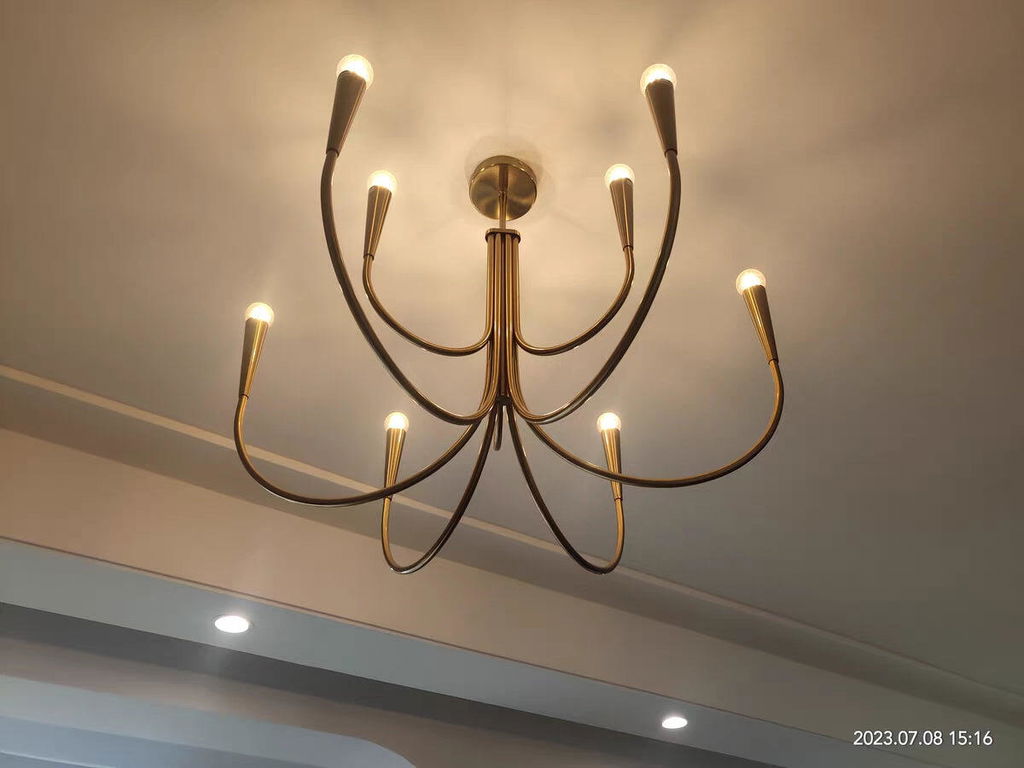
Warmgold
Mattschwarz
Produkthighlights

Skulpturale geschwungene Arme

Handgeformte Metallarme schwingen in einer einzigen, selbstbewussten Geste nach oben — modern in der Linienführung, verwurzelt in der klassischen Kronleuchter-Tradition.

Drei Statement-Größen

Wählen Sie zwischen 6, 9 oder 12 Leuchtenköpfen — passen Sie eine gemütliche Nische, einen sechssitzigen Esstisch oder einen imposanten Wohnbereich an, ohne die Proportion zu verlieren.

Zwei Oberflächen zur Auswahl

Warmes Gold für eine gehobene, leuchtende Präsenz — oder Mattschwarz für selbstbewusstes, architektonisches Drama. Beide sind zeitlose Klassiker.

Wählen Sie Ihre Größe

Die Swoop Arm ist in drei Größen erhältlich — wählen Sie diejenige, die zu Ihrem Raum und der Fläche darunter passt. Alle drei haben die gleiche Gesamthöhe von 19,7"; nur Durchmesser und Kopfzahl ändern sich.

6 Köpfe Kompakt

Ideal für Eingangsbereiche, Frühstücksnischen und kleinere Esstische bis ca. 150 cm / 60".

D 25,6" × H 19,7" D 65 cm × H 50 cm · 6 × E14
9 Köpfe Beliebteste Wahl

Ein vielseitiges Zentrum für Standard-Esstische (~180 cm / 70") oder großzügige Wohnzimmerdecken.

D 31,5" × H 19,7" D 80 cm × H 50 cm · 9 × E14
12 Köpfe Statement

Ein großartiges Stück für lange Esstische (200 cm / 78"+), offene Wohnbereiche und doppelgeschossige Eingänge.

D 39,4" × H 19,7" D 100 cm × H 50 cm · 12 × E14

Alle drei Größen haben die gleiche Gesamthöhe von 19,7" und eine Aufhängungsstange von 7,8". Die Stange kann auf Anfrage verlängert werden — teilen Sie uns Ihre Deckenhöhe mit, wenn Sie bestellen.

Abmessungen

Größe wählen
6 Köpfe · D 25,6"
9 Köpfe · D 31,5"
12 Köpfe · D 39,4"
Alle drei Größen haben die gleiche Gesamthöhe, Aufhängungsstange und Armhöhe.
Gesamthöhe 19,7" / 50 cm
Aufhängungsstange 7,8" / 20 cm (verlängerbar)
Durchmesser — 6 Köpfe 25,6" / 65 cm
Durchmesser — 9 Köpfe 31,5" / 80 cm
Durchmesser — 12 Köpfe 39,4" / 100 cm
Leuchtmittel-Anzahl 6 / 9 / 12 × E14
Details

Leuchtmittel
E14-Kerzenlampen-Sockel · je 15W max. (6, 9 oder 12 Leuchtmittel je nach Größe — Leuchtmittel nicht enthalten)
Dimmbar
Kompatibel mit dimmbaren E14-Leuchtmitteln
Verfügbare Größen
6 Köpfe · 9 Köpfe · 12 Köpfe
Durchmesser × Höhe
6 Köpfe: Ø 25,6" × H 19,7" / Ø 65 cm × H 50 cm
9 Köpfe: Ø 31,5" × H 19,7" / Ø 80 cm × H 50 cm
12 Köpfe: Ø 39,4" × H 19,7" / Ø 100 cm × H 50 cm
Material
Konstruktion aus Metall
Verfügbare Oberflächen
Warmgold Mattschwarz
Montage
Festverdrahtet zur Deckenmontage · 7,8" Aufhängungsstange (auf Anfrage verlängerbar)
Ideal für
Esszimmer · Wohnzimmer · Eingangsbereiche · offene Wohnräume
Zertifizierungen
Nordamerika Australien Europa Naher Osten
Herstellerressourcen

Häufig gefragt

Welche Größe sollte ich für meinen Raum wählen?
Eine bewährte Faustregel ist, einen Kronleuchter zu wählen, der etwa zwei Drittel der Breite des Tisches oder der Hauptfläche des Raumes hat. Für einen 4er-Tisch oder eine kleine Frühstücksecke passt die 6er-Version (25,6") gut. Für einen Standard-Esstisch für 6 Personen oder ein durchschnittliches Wohnzimmer ist die 9er-Version (31,5") die beliebteste Wahl. Für lange Tische mit 8+ Plätzen, offene Wohnräume oder doppelhohe Eingangsbereiche bietet die 12er-Version (39,4") die beste optische Balance.
Sollte ich mich für Warmgold oder Mattschwarz entscheiden?
Warmgold schafft eine sanfte, wärmende Ausstrahlung, die wunderbar zu neutralen Farbpaletten, hellem Holz und klassischen oder zeitlosen Interieurs passt. Mattschwarz wirkt architektonischer und grafischer — ideal für moderne, industrielle oder kontrastreich gestaltete Räume mit weißen Wänden oder dunkleren Verkleidungen. Beide Oberflächen sind gleich robust; die Wahl ist rein eine Frage des gewünschten Erscheinungsbildes.
Sind Leuchtmittel enthalten? Welche brauche ich?
Leuchtmittel sind nicht enthalten. Swoop Arm benötigt E14-Kronleuchter-Leuchtmittel, bis zu 15W pro Stück — je nach Größe 6, 9 oder 12 Stück. Wir empfehlen 2700K–3000K Warmweiß-LEDs für ein authentisches, weiches Licht. Zum Dimmen kombinieren Sie ein dimmbares LED-Leuchtmittel mit einem kompatiblen Wanddimmer.
In welcher Höhe sollte der Kronleuchter über dem Esstisch hängen?
Bei Esstischen sollte die Unterkante des Kronleuchters etwa 75–90 cm (30–36") über der Tischoberfläche hängen. In Wohnzimmern oder Eingangsbereichen ohne Oberfläche darunter sollte mindestens 210 cm (~2,1 m) Platz vom Boden bis zur Unterkante der Leuchte vorhanden sein. Die Standard-Aufhängungsstange von Swoop Arm ist für typische 240 cm (8 ft) Deckenhöhe ausgelegt — siehe die nächste Frage, falls Ihre Decke höher ist.
Kann die Aufhängungsstange für höhere Decken verlängert werden?
Ja. Die Standard-7,8"-Stange passt zu den meisten 240 cm (8 ft) hohen Decken, aber wir können auf Anfrage eine längere Stange liefern — geben Sie dazu einfach Ihre Deckenhöhe in den Bestellnotizen an oder kontaktieren Sie uns vor dem Kauf. Diese Anpassung ist kostenlos und verursacht keine zusätzliche Fertigungszeit.
Ist eine professionelle Installation erforderlich?
Swoop Arm wird festverdrahtet an einer Standard-Deckenauslass-Dose installiert. Da die 9er- und 12er-Versionen erhebliches Gewicht haben, empfehlen wir dringend die Installation durch einen zugelassenen Elektriker — besonders in Regionen mit entsprechenden Vorschriften für festverdrahtete Leuchten. Das beigefügte Installationsblatt behandelt Verdrahtung, Baldachinmontage und Armzusammenbau.
Kann ich Swoop Arm an einer schrägen oder Gewölbedecke installieren?
Der Standard-Baldachin ist für flache Decken ausgelegt. Bei schrägen oder Gewölbedecken fragen Sie Ihren Elektriker nach einem Schrägdecken-Adapter, der zum Baldachin passt — diese sind weit verbreitet und ermöglichen es dem Kronleuchter, gerade zu hängen, auch wenn die Decke schräg ist.
Für welche Regionen ist Swoop Arm zertifiziert?
Swoop Arm erfüllt die elektrischen Zertifizierungsanforderungen für Nordamerika, Australien, Europa und den Nahen Osten. Die Verdrahtung kommt je nach Lieferadresse einsatzbereit für den Zielmarkt an.

Payment Security

When something goes wrong with your eligible transactions, Paypal and Bank Buyer Protection has you covered. Get a full refund if an eligible order isn't significantly as described, or doesn't arrive at your doorstep.

The Craft Behind the Light

Cast, Turned, and
Polished by Hand

Every fixture in this collection begins as solid brass — not a plated shell. From the foundry floor to the final buff, each piece passes through the hands of metalworkers before it ever reaches you.

100%
Solid brass, not plated
12+
Hand-polishing passes per piece
6
Stages from raw material to lamp
MaterialRaw brass stock
FormingCast / spun
TurningPrecision machining
PolishingHand-buffed
FinishingLacquered or aged
AssemblyWired & tested

How It's Made

From Raw Stock to Radiant Light

Six stages, done in sequence, most of them by hand. Skip any one and the lamp comes out thin, dull, or short-lived — so we don't skip any of them.

1
Raw brass ingots

Stage 01 · Material

Solid brass, sourced by the rod

Every fixture starts as solid brass rod and sheet stock — a copper-zinc alloy chosen for its weight, workability, and the way it ages. No zinc die-cast base, no plastic core wrapped in a thin coat of color.

Cartridge & naval brass alloysMill-certified stock
2
Sand casting and metal spinning

Stage 02 · Forming

Given its first shape

Solid components — finials, arms, fittings — are sand-cast from molten brass poured at around 1,700°F. Shades and bodies are metal-spun instead: a flat brass disc is pressed against a spinning form until it flows into a shade's curve, a slower and stronger method than stamping.

Sand castingLathe metal spinning
3
Precision lathe turning

Stage 03 · Precision

Trued on the lathe

Cast and spun parts come off rough. Each is chucked onto a lathe and turned true — walls brought to even thickness, threads cut for sockets and finials, edges faced flat so every joint seats without a gap.

±0.1mm toleranceThread-cut by hand
4
Hand-polishing

Stage 04 · Finish Work

Buffed in three grades

A rough tripoli compound cuts down casting marks and tool lines first. A finer rouge compound follows, brought up by hand against a cloth buffing wheel until the surface holds a genuine mirror — not a sprayed sheen.

Tripoli cutRouge polish12+ passes
5
Lacquering and patina bath

Stage 05 · Protection or Age

Sealed bright, or aged on purpose

Polished pieces are sprayed with a clear protective lacquer to hold their shine against tarnish. Antiqued pieces instead go through a chemical patina bath, then are hand-rubbed back at the high points — so the aged look sits in the grooves, the way decades of real wear would leave it.

Clear-coat lacquerHand-rubbed patina
6
Assembly and testing

Stage 06 · Final Checks

Wired, lit, and checked by hand

Sockets, wiring, and hardware are assembled and every unit is powered on before it's packed. A finisher runs a hand over every surface for burrs or missed spots — the last inspection is still a person, not a scanner.

100% powered-on testedHand-inspected

Why It Matters

Solid Brass, Not a Coating

Many "brass" fixtures are zinc alloy or steel with a few microns of brass plating — a finish that can wear through at edges and corners within a year or two, exposing a dull grey base underneath.

Ours is brass all the way through. There's no coating to wear off, because there's nothing underneath it to expose. A scratch on a solid brass piece reveals more brass — and can simply be re-polished away.

Solid Brass SOLID BRASS THROUGHOUT Brass-Plated ↑ 5–10 micron plating ZINC / STEEL CORE
SolidSame metal, edge to edge
RepairableRe-polishes, not re-plates
WeightedGenuine mass in hand

Breaking Down the Material

Brass Isn't One Recipe

"Brass" isn't a single formula — the copper-to-zinc ratio changes both the properties and the use case. We choose the alloy for each part based on the load and setting it needs to handle, rather than using one blend throughout.

C27000

Cartridge Brass

Copper 65%Zinc 35%

The most ductile common brass alloy — well suited to stamping and deep drawing, resists cracking, with a warmer gold tone.

Used for Stamped shade components, thin-walled spun parts
C36000

Free-Cutting Brass

Copper 61%Zinc 36%Lead 3%

A small lead addition produces shorter chips and a smoother finish when turned, giving higher precision and efficiency on the lathe.

Used for Threaded fittings, sockets, precision-turned structural parts
C46400

Naval Brass

Copper 60%Zinc 39.2%Tin 0.8%

A small tin addition significantly boosts corrosion and dezincification resistance, so it stays sound even in prolonged humidity.

Used for Bath, outdoor, and high-humidity fixture components

In the Workshop

Where the Work Actually Happens

Casting the molten brass, buffing on the wheel, precision-turning on the lathe, through to final inspection on the rack — every stage happens on this floor, to the same standard, every time.

Finish Options

One Metal, Three Characters

The same solid brass, carried to a different finish — the difference happens at Stage 05, not sprayed on afterward. The shine, the aging speed, and the spaces each one suits all differ too.

Polished brass

Polished Brass

Buffed to a mirror at high speed, fine-grained, in the warm golden reflection of natural brass.

Shine Mirror reflection
AgingVery slow — sealed under lacquer before it ships
SuitsModern luxe, boutique display, formal receiving rooms
Antique brass

Antique Brass

Chemically aged, then hand-rubbed for color — the recesses run darker, giving it weight and depth.

Shine Low, diffuse light
AgingNearly static — the aged color is already fixed and sealed
SuitsAmerican vintage, industrial, period-home renovations
Satin brass

Satin Brass

An even, fine-grained brushed texture that reflects a soft, satin-like matte sheen.

Shine Soft, diffuse glow
AgingSlow — the brushed texture naturally hides tarnish marks
SuitsNordic modern, Japanese minimalist, boutique offices

The Seventeen You Can Actually Order

The three characters above describe how a finish behaves. What you specify is one of seventeen numbered finishes — or a custom patina grown to match a sample you send us.

01
02
03
04
05
06
07
08
09
10
11
12
13
14
15
16
17

Finishes 01–17 · brass, bronze, iron, steel, nickel, chrome, black · custom patinas matched on request

◈ Specifying a Finish

Order by number, not by name. "Antique brass," "aged brass," "burnished brass" — ask five workshops what those mean and five different metals come back. Finish 04 is the same physical sample in our studio, on the atelier bench, and on your packing list.

And because no screen renders metal honestly, we ship the physical panels before anything is committed. Hold them against your cabinetry and wall paint, at the hour you actually use the room — then send the number.

Before It Ships

What We Check, Every Single Time

Standards that apply to every fixture that leaves the workshop — not a sample batch.

Powered-On Test

Every unit is wired and lit before packing — not spot-checked.

Weight Check

Weighed against spec — a light piece signals a thin or hollow cast.

Tarnish Testing

Lacquer coats are checked for even coverage before final polish.

Hand Inspection

A finisher runs a hand over every surface for burrs or missed spots.

Everyday Care

A Patina That Only Gets Better with Time

Solid brass oxidizes naturally over time — that's its nature, not a flaw. A little care keeps the shine even and lasting longer.

Daily Dusting

Wipe the surface weekly with a dry soft cloth or feather duster to keep dust and grime from settling into the texture.

Anti-Tarnish Care

On polished pieces, apply a thin layer of dedicated brass wax every 3–6 months for an extra layer of protection over the lacquer.

Environment

Avoid prolonged exposure to damp, salt spray, or direct kitchen smoke — take extra care above bathtubs and stovetops.

What to Avoid

Never use bleach, alcohol, or abrasive cleaners — these chemicals corrode the lacquer and speed up surface clouding.

The antique finish needs no extra waxing — its surface has already been chemically aged and color-fixed. The handprints and subtle shading it picks up with everyday use are exactly the look this finish is meant to have.

Finished lamp, lit

In the End

Made to Be Used, and to Last

A solid brass fixture doesn't stay new — it ages, and that's the point. Years from now, it should still be the same metal it started as, just with a little more history in it.

North American certified

Certified to North American safety standards

Fast and Free Shipping

Discover same day shipping
on 1000s of designs.

Expert Customer Service

Fast and friendly help by
phone, chat or email.

Amazing Values, All the Time

Backed by our 120% price
protection policy.

Spatial Lighting Aesthetics

Custom lighting fixtures

We are dedicated to turning your most imaginative ideas into extraordinary reality. Please spread your thoughts freely.

Contact Us